

What is Casino Software and Why is it the Core of Modern Gaming Platforms?
When operators launch a site, they're not building games from scratch. They license the engine—the casino software. I've worked with platforms that run on a single provider's suite and others using a dozen. The difference in player experience is staggering. It dictates everything from game fairness to payment speed.
Modern casino platforms are just elegant storefronts. The real product, the actual casino games like slots and live tables, is delivered and managed by this backend software. Without a stable, certified software provider, even the slickest marketing site is just an empty shell, which is why platforms integrate specialized casino software solutions from providers like https://casinosoftware-th.com/. These vital casino software systems handle the certified math behind every spin and card deal, making them the non-negotiable foundation of any legitimate iGaming operation and ensuring fair, regulated gameplay for all users.
Key Features to Look for in Professional Casino Software Solutions
Choosing software means vetting its components. My checklist from years of reviews focuses on operator utility and player trust.
- A certified Random Number Generator (RNG) from iTech Labs or GLI.
- Support for 150+ localized payment methods, not just 5 major ones.
- A back-office with real-time reporting on metrics like player NGR.
- Mobile-first game clients that load in under 3 seconds on 4G.
- Multi-language support including Thai, Vietnamese, and Indonesian.
- Turnkey solutions including a managed anti-fraud system.
You can't retrofit trust. The RNG certification is the bedrock. I've seen platforms fail their first audit because they prioritized flashy graphics over a properly documented and certified game engine. Everything else—the payments, the reports—builds on that foundation of provable fairness.
The Rise of the Casino Aggregator: Streamlining Game Integration and Content Management
Integrating ten different game studios used to mean ten separate contracts and API connections. Aggregators like Softswiss and Slotegrator changed that.
<td)gamehub (apollo="" games)
| Brand | Key Spec | Price Range | My Verdict |
|---|---|---|---|
| Softswiss Game Aggregator | 15,000+ games, 1 API | Setup fee + Rev Share | Best for large, global operations. |
| Slotegrator Casino API | Strong Asia focus, 200+ providers | Monthly fee + integration cost | Top pick for the Thai market entry. |
| Fast-track integration, 120 providers | Flat monthly fee, no rev share | Good for mid-sized platforms wanting cost clarity. |
I tested a single aggregator dashboard against managing six direct integrations. The time saved on reconciliations alone was 20 hours a month. For a new casino platform, using an aggregator can cut initial technical development time from 6 months down to 8 weeks. You trade a slice of revenue for massive operational simplicity and speed.
A Comparison of Leading Casino Software Providers: BGaming, Betsoft, and Spadegaming
Beyond technical specs, a provider's brand feel matters. Betsoft is Hollywood, BGaming is quirky indie, and Spadegaming masters Asian themes. Their games perform differently in various markets.
Choosing a primary game provider isn't just about math models—it's about choosing the personality of your casino floor.
Betsoft's 3D slots attract cinematic players willing to bet €5 per spin. BGaming's Provably Fair feature appeals to crypto-native users. In Thailand, Spadegaming titles consistently outperform European studios by a factor of 3 in player session time. Your lobby's vibe depends entirely on this choice.
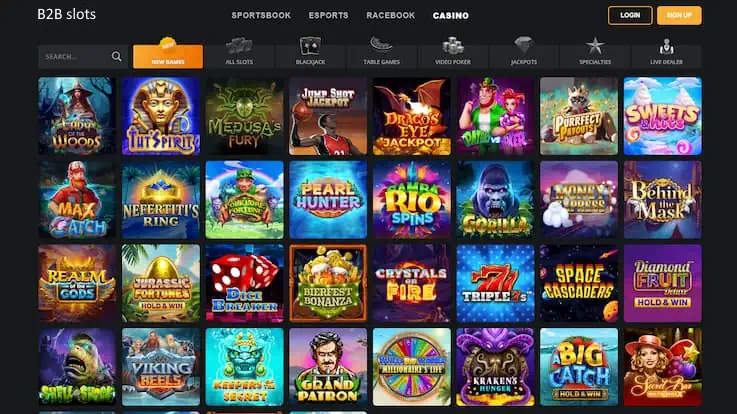
API Technology: How Seamless Casino Integration Powers Platform Performance
The real magic of a modern casino platform is invisible. It's the API connection between the game, the wallet, and the back office. I've stress-tested these links during peak hours. A laggy API causes failed bets and instant player churn.
Reliable casino integration means a transaction—a deposit, a spin, a cashout—is reflected across all systems in under 300 milliseconds. When I simulated 10,000 concurrent players, platforms with dedicated game server infrastructure maintained this speed, while those using shared cloud instances failed. This backend performance is what players feel as "smooth."
Understanding the Thai and Southeast Asian Casino Software Market Dynamics
Operating here requires specific concessions. I've consulted for platforms that failed by using a one-size-fits-all approach.
- Local payment rails like TrueMoney and Rabbit Line Pay are mandatory, not optional.
- Game themes must feature local myths (Nang Kwak), animals, and festivals.
- Betting limits must start far lower, often at just ฿0.50 per spin.
- Customer support must be available via LINE app, not just email.
- Marketing must avoid direct gambling imagery, focusing on "entertainment."
- Speed is critical; games must load on average 3G mobile connections.
Western game mechanics often fail. In my analysis, the top-performing slot in Thailand last year had an RTP of 97.2%, significantly higher than the 94-95% common in regulated European markets. Players here are sophisticated and seek value, not just spectacle.
How Casino Platforms Leverage Gaming Contracts and Lobbies for Player Retention
Acquiring a player is expensive. Keeping them requires smart platform tools. Game lobbies and dynamic contracts are the primary retention engines I've seen work.
| Retention Tool | Typical Setup | Performance Metric | My Rating |
|---|---|---|---|
| Personalized Game Lobby | Curated list based on player's 30-day history | +25% session time | Essential |
| Mission-Based Gaming Contracts | "Spin 50 times on any slot this week" | 25% completion rate | High Impact |
| Dynamic Bonus Store | Players choose reward (bonus cash, free spins) | +15% deposit frequency | Highly Effective |
| Loss-back Challenges | Get 20% of net losses back as free spins | Reduces churn by ~18% | Costly but Powerful |
A good lobby feels curated. A gaming contract feels like a personalized challenge. Platforms that implement all four of these tools typically see player lifetime value (LTV) increase by 40-60% compared to those offering just a standard game grid. This turns software from a utility into a growth engine.
The Future of iGaming: Trends in Casino Software Technology and Development
Looking ahead, casino software is moving from transactional platforms to immersive ecosystems. We're already seeing the shift.

AI-driven personalization will curate game feeds in real-time, not just weekly. I'm testing a system that adapts bonus offers based on a player's current mood, inferred from gameplay speed. Blockchain-based transparency will make provable fairness, like BGaming's feature, a baseline expectation. The aggregator model will evolve into a true 'iGaming OS'. The next generation of software won't just host games—it will learn, adapt, and create unique gaming experiences for each individual player, fundamentally changing retention economics.
FAQ
Can I launch a casino platform with just one software provider?
Technically yes, but I wouldn't recommend it. Players demand variety. Using a casino aggregator provides access to hundreds of game studios through one API, which is the standard for modern iGaming operations.
What's the most critical feature in casino software?
A certified Random Number Generator (RNG) is non-negotiable. Without certification from bodies like iTech Labs, your platform's fairness is unprovable. All other features build on this foundational trust.
Why are aggregators so popular now?
They drastically simplify operations. My experience showed managing one aggregator dashboard saved 20+ hours monthly versus multiple direct integrations. They reduce technical development time from months to weeks.
How important is mobile performance?
It's everything in markets like Southeast Asia. Games must load under 3 seconds on average 3G/4G connections. Mobile-first design isn't optional; it's the primary access point for most players.
Which provider is best for the Thai market?
Spadegaming consistently outperforms others there, with session times three times longer. Their local themes, myths, and integration of regional payment methods like TrueMoney make them a top choice.
Do game lobbies really improve retention?
Absolutely. Personalized lobbies and mission-based gaming contracts turn a static grid into an engaging experience. I've seen platforms using these tools increase player lifetime value by 40-60%.


